Hail in Edmonton does not ask permission. One fast-moving storm can pit, crack, and bruise stucco across an entire street in minutes. Homeowners see the marks and want a clear answer: how long will hail damage stucco repair take, from first call to final coat? The honest response depends on four factors: the extent of the impact, the stucco system on the house, the season and cure times, and the scheduling load during peak storm periods. This article lays out realistic timelines, what affects them, and how homeowners in Edmonton can help speed things up without sacrificing quality.
What “hail damage” looks like on stucco in Edmonton
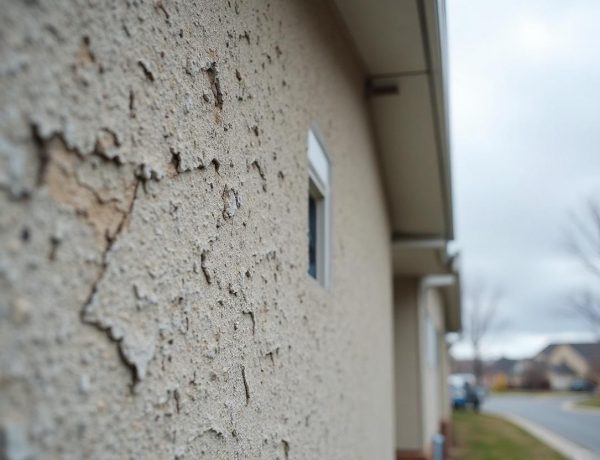
Hail hits stucco in a few predictable ways. Light storms create surface pitting, EIFS hail damage repair Edmonton dependexteriors.com pinhead to pea-sized. Medium storms leave spider cracks and small blisters where the impact fractures the finish coat. Heavy storms can break through the finish into the base coat, cause delamination, and, in rare cases, compromise the lath or foam in EIFS. Most homes Depend Exteriors sees after a moderate hail event in Edmonton have scattered pitting and hairline cracking on windward elevations, with occasional deeper damage on corners, parapets, and chimney chases where turbulence is strongest.
Homeowners often underestimate micro-cracking, especially on textured finishes. The damage hides in shadows until sunlight hits it just right. A close inspection matters, because shallow impacts need a quick skim and texture, while deep fractures need cut-out and rebuild. That difference drives timelines.
The fast answer: common timelines by scope
For hail damage stucco repair in Edmonton, these are typical time ranges once a crew is scheduled and on site:
- Small patch and blend on one elevation: 4 to 8 hours of site work, plus 1 to 3 days of cure time before final paint or finish. Total: 1 to 4 calendar days. Multiple elevations with moderate pitting and cracking: 2 to 4 days of site work, plus staggered cure windows. Total: 4 to 10 calendar days. Extensive damage including base coat repairs and mesh: 4 to 7 days of site work. With cure and weather buffers, 1.5 to 3 weeks. Full-elevation re-finish or large EIFS repairs: 2 to 3 weeks of site work, plus cure, color matching, and weather holds. Total: 3 to 5 weeks.
These figures assume typical spring to fall weather in Edmonton. Add time in cool, wet conditions. Subtract time for smaller, sunny-day repairs.
What adds days, and what saves them
Scope and system come first. Traditional three-coat stucco and EIFS behave differently. Cement-based stucco needs cure time between base and finish coats. EIFS repairs rely on mesh, base coat, and acrylic finish layers with manufacturer-specified dry times. Rushing either can trap moisture or weaken adhesion, which shows up months later as blistering.
Weather is the second driver. Edmonton’s shoulder seasons bring cool nights and sudden rain. Acrylic finishes prefer warmer, dry conditions. Overnight lows below 5°C slow cure. Rain within a few hours of application can wash or spot a finish. Crews watch forecasts and may shift work windows to mid-day to protect the finish and stay within manufacturer specs. This approach adds predictability, even if it spreads work over more calendar days.
Access and height matter as well. Two-storey rear elevations, steep grades, and limited alley access may require more setup time or small scaffold moves. That can extend daily site time without extending the total number of days by much, but it needs planning.
Color matching is another time variable. If a home needs a custom acrylic finish or elastomeric coating, samples and approvals can add 1 to 3 business days before final application. Homeowners who approve samples quickly help keep a job on schedule.
Finally, storm surge scheduling in Edmonton affects start dates. After a major hail event, qualified stucco crews book fast. Depend Exteriors triages by severity and exposure risk, but during peak demand, the wait to start may range from a few days to two weeks. Once on site, the crew stays tight to the plan to finish as scheduled.
The repair flow: step-by-step timing
Assessment comes first. A trained estimator walks the home, chalks out impacts, and probes suspicious soft spots. This usually takes 45 to 90 minutes for a typical two-storey home in Edmonton. For insurance claims, thorough photos and a written scope allow faster approvals. Homeowners who provide their claim number and adjuster contact early often shave days off admin time.
Next is prep. Crews protect windows, landscaping, and walkways. They set ladders or scaffold, then saw-cut or chip out loose areas where hail fractured below the surface. Prep on a light-damage home may take two to four hours. On a heavily marked elevation, it can take a full day. Proper prep controls how well repairs blend later.
Base repairs come after cut-out. On cement stucco, crews apply bonding agents where needed, then rebuild with base coat. On EIFS, they place mesh with adhesive, feather the edges, and level the area. Each layer must set. In warm, dry weather, base layers often set in a few hours, but many crews leave them until the next day to keep the texture even and avoid dragging moisture forward.
Finish and texture work follows. This is where experience shows. Hail damage rarely hits evenly. To avoid a patchy look, crews feather repairs beyond the obvious marks and match texture to the original finish. A well-matched texture blend can take longer than the base work. On average, a single elevation finish and blend runs three to six hours, not counting cure time.
Coating or paint is the last step if the home has a painted stucco or if the owner chooses a color refresh. Elastomeric coatings often need 24 hours between coats. Acrylic finishes typically need a solid dry window the same day. If the color is custom, the mixing and sample approval can add a day before this step begins.
Cleanup and final walk-through take 30 to 60 minutes. Depend Exteriors shares maintenance notes and cure times for each product used. Homeowners receive guidance on when to wash, when to paint other surfaces nearby, and what to watch during the first freeze-thaw cycles.
Edmonton-specific timing issues most guides skip
Freeze-thaw is a real constraint. If repairs land late fall, crews aim to finish base and finish coats with enough dry time before temperatures dip at night. Work may shift to shorter midday windows. This keeps the job moving while preventing cold shock to fresh materials.
Wind is another local quirk. Hail often scours the west and north elevations. Those same faces catch prevailing wind on repair days, which dries edges faster than centers. Skilled applicators manage this with smaller sections and tighter timing between mixes. It is harder to schedule exact hour counts in these conditions, but the total calendar days do not necessarily expand.
Wildfire smoke or poor air quality can also affect curing and job comfort during peak summer weeks. Materials still cure, but crews may adjust hours to cooler morning slots. This stretches the day but not the total number of days.
Insurance timing and how to avoid delays
Most hail damage stucco repair in Edmonton involves insurance. A few timing notes help:
- Provide the adjuster’s report to the contractor during the first visit. This aligns scope faster and reduces re-inspection requests. Approve color samples quickly. A same-day approval can cut 1 to 3 days of waiting. Keep communication simple: one decision-maker, one contact number. Messages do not get crossed, and scheduling sticks.
Insurance holdbacks on depreciation do not prevent work from starting if the initial payment covers the hail damage stucco repair Edmonton deposit and early materials. Ask the contractor about payment stages that match work milestones. That way, money flow and progress move together, and scheduling does not stall.
How Depend Exteriors schedules and sets expectations
For hail damage stucco repair in Edmonton, Depend Exteriors uses a practical calendar method that blends site readiness, product cure times, and crew availability. The team books work in logical blocks so homeowners do not see a crew arrive for an hour and vanish for days unless the weather dictates a pause. They prefer to complete each elevation’s prep and base coats in one push, then return for finish and coating once dry windows allow.
A small, one-elevation repair often looks like this:
- Day 1 morning: prep, cut-out, base repairs. Day 1 afternoon: texture and finish if conditions allow, or next morning if humidity or shade will slow curing. Day 2 or 3: final coat or paint, then cleanup.
A whole-house moderate repair shifts the flow:
- Day 1 to 2: prep and base repairs on all impacted elevations. Day 3 to 4: finish coats and texture blending, elevation by elevation. Day 5 to 7: coating or paint, with weather buffers.
Communication matters as much as crew speed. Depend Exteriors assigns a project lead who gives daily updates, including next-day start times. During storm season, this reduces homeowner stress and keeps other trades from colliding on site.
Quality versus speed: the honest trade-offs
Repairs can go fast in perfect weather on a simple texture. Speed drops when the original finish is unusual, when hail has fractured into the base, or when the home needs color matching across sun-faded walls. Pushing too fast leads to three common failures: telegraphing patches through the finish, cold joints that flash under angled light, and water staining where products did not cure before a surprise shower.
Homeowners who want both speed and a seamless look should decide early on finish strategy. Blending small patches into a faded wall can still show slight halos. Painting or coating the entire elevation often adds a day or two but hides transitions and extends the life of the stucco. It costs more upfront but prevents a second visit later to “fix” a color mismatch that was never going to vanish in direct sun.
What homeowners can do to shorten the timeline
A few small steps make a measurable difference:
- Clear vegetation and move items at least one metre from walls on repair days. This speeds setup and reduces rescheduling when ladders do not fit. Confirm power and hose access. Mixing and cleanup go faster with both. Decide on finishes ahead of start day. If choosing an elastomeric or specialty acrylic, select the color before the crew arrives. Keep pets indoors while wet products cure, and avoid pressure washing the home for at least a week after final coats. If possible, schedule window washing after repairs, not before.
These are simple but cut hours of friction that often balloon into extra days.
How long does it all take after a major hailstorm across Edmonton?
During citywide events, the time to the first site visit is the main variable. Depend Exteriors usually completes on-site assessments within 24 to 72 hours for high-priority homes, such as those with visible cracking on primary elevations or moisture concerns. Scheduling for repairs ranges from 3 to 14 days after assessment during the first surge week. Once on site, the durations listed earlier apply.
If a homeowner prefers evenings or weekends only, expect longer calendar durations. Repair quality will remain high, but the available windows shrink. Homeowners who can allow a crew on site during standard work hours see faster completion without affecting workmanship.
Cement stucco versus EIFS: timing nuances
Traditional cement stucco repairs rely on cement chemistry and moisture management. They need a cure window that cannot be rushed without risk. On warm, dry days, a scratch-and-brown patch can take shape fast, but skilled crews still plan for at least overnight set before finishing. Painting cement stucco should wait the manufacturer’s recommended time, often 7 to 28 days for new installations, but for small patches with compatible products, elastomeric or acrylic finishes may be applied sooner. The crew selects products based on the original system to keep within safe cure windows.
EIFS repairs lean on adhesive and mesh systems with acrylic finishes. These often cure faster than cement stucco layers, but temperature and humidity still rule. EIFS can appear quicker day-to-day, yet color blending demands just as much care. Matching aggregate size and sheen is what avoids a spotted look under low-angle sun, and that work takes patient hand-finishing.
What a realistic quote includes
A clear quote for hail damage stucco repair in Edmonton should list:
- Areas to be repaired with approximate square footage or clear location notes. System type: cement stucco or EIFS, with product families noted. Scope steps: cut-out depth, mesh or base work, finish type, and whether coating or paint is included. Weather and cure assumptions: the window needed and what happens if it shifts. Color matching process, including whether a full-elevation coating is recommended. Start window and expected on-site days, plus any factors that could extend the calendar.
Homeowners can compare quotes apples-to-apples using these points. The fastest quote is not always the best if it skips surface prep or push-cures finishes. Those shortcuts do not save time if a second visit becomes necessary.
Cost and time often move together
Faster completion usually requires a larger crew or overtime in tight weather windows. That adds cost. Conversely, spreading work across more days can save money but lengthen the calendar. Most homeowners choose the middle path: a right-sized crew working through standard hours with sensible cure buffers. For a typical two-storey home with moderate hail damage, this balance lands around 4 to 10 calendar days once the crew starts.
Why local experience cuts surprises
Edmonton’s climate is unforgiving on wet materials and newly finished coatings. Crews who work here daily read the sky and feel the wall temperature before mixing. They know which north-facing corners dry last and which textures hide blends better under late-day sun. That local judgment removes guesswork and reduces callbacks.
Depend Exteriors brings this into planning. The team sets hold days for likely rain or cold snaps and schedules finishes on the best forecast windows rather than pushing to meet a paper schedule that weather will not respect. The result is a job that stays close to the predicted timeframe, looks uniform, and stands up through winter.
Ready for next steps? Here is how to start
If a hailstorm has marked the stucco, book an assessment right away. Fast documentation helps with insurance and puts the home earlier in the repair queue. For homeowners searching specifically for hail damage stucco repair Edmonton, Depend Exteriors offers same-week inspections across most neighbourhoods, from Windermere and Terwillegar to Highlands, Glenora, and Westmount. The team handles both cement stucco and EIFS, completes careful texture matching, and offers full-elevation coatings when a seamless look is the priority.
Call or request a site visit online. Share the adjuster’s report if available and note any moisture concerns inside. A clear plan and a realistic schedule follow. In most cases, small to moderate repairs finish within a few days of site start, and even larger scopes wrap within a few weeks, weather permitting.
The storm came fast. The repair does not have to drag. With a practical plan, honest timelines, and skilled application, the stucco will look right again and stay that way through Edmonton’s next freeze-thaw season.
Depend Exteriors – Hail Damage Stucco Repair Experts in Edmonton, AB
Depend Exteriors provides hail damage stucco repair across Edmonton, AB, Canada. We fix cracks, chips, and water damage caused by storms, restoring stucco and EIFS for homes and businesses. Our licensed team handles residential and commercial exterior repairs, including stucco replacement, masonry repair, and siding restoration. Known throughout Alberta for reliability and consistent quality, we complete every project on schedule with lasting results. Whether you’re in West Edmonton, Mill Woods, or Sherwood Park, Depend Exteriors delivers trusted local service for all exterior repair needs.
Depend Exteriors
8615 176 St NW
Edmonton,
AB
T5T 0M7
Canada
Phone: (780) 710-3972
Website: dependexteriors.com | Google Site | WordPress